Who believes what about AGI.
Every position on this site belongs to a named person, is dated, and links to a primary source. So you don't have to take anyone's word for what a researcher, executive, or politician actually thinks about AGI.
Strategy tags are read off what people say, not assigned from a checklist. They evolve as the directory grows.
People on the record
935
Quotes with sources
1011
p(doom) estimates
28
Dated AGI timelines
10
Recently added.

A. Michael Spence
Stanford economist; Nobel laureate; AI economic effects
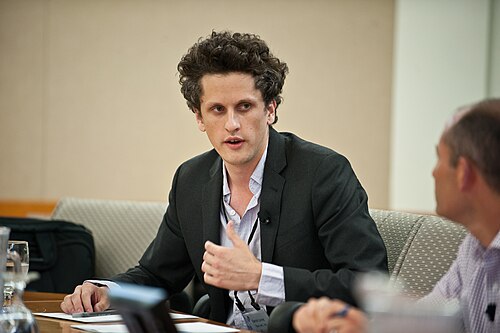
Aaron Levie
Box co-founder and CEO

Abhijit Banerjee
MIT economist; 2019 Nobel laureate
Abram Demski
MIRI researcher; embedded agency

Ada Lovelace
First programmer; analytical engine theorist (1815–1852)
Ada Rose Cannon
W3C web standards advocate; AR/VR engineer
The spread, in one look.
highest p(doom) on record
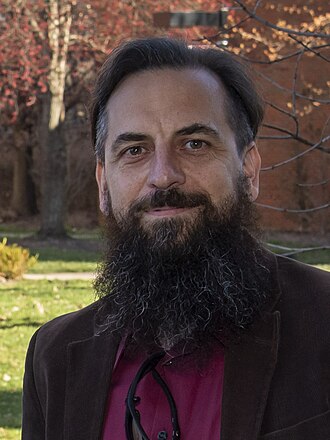
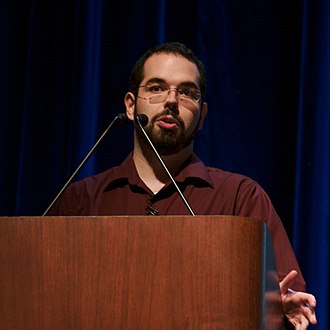
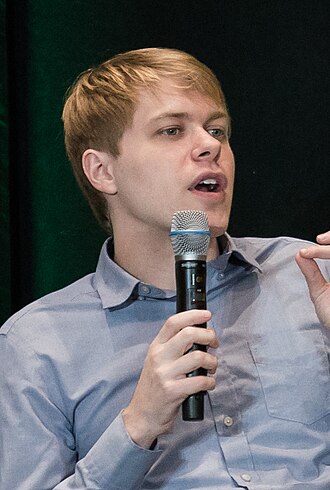
lowest p(doom) on record
 Yann LeCun0%
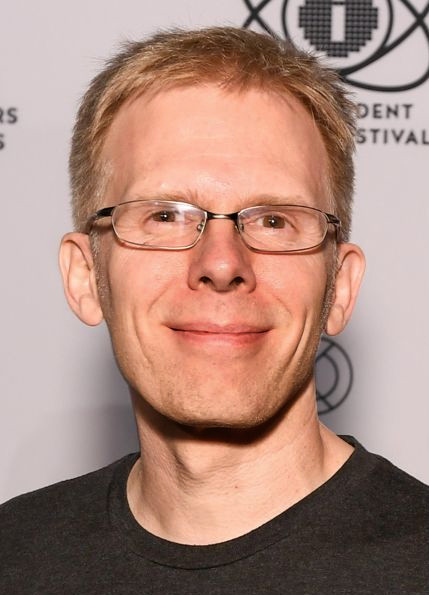 John Carmack5%
 Nate Silver5–10%
The most adhered-to strategies so far.
Governance first
252Lead with regulation, treaties, liability regimes
Alignment first
103Solve technical alignment before capability thresholds close
Techno-optimism
96Technology and markets solve risks faster than regulation creates them
AI skeptic
83AGI risk narratives overstated; real harms are mundane and current
Existential primacy
76Extinction/disempowerment risk overrides ordinary cost-benefit
Evals-driven
46Capability/risk evals gate deployment; evals are the load-bearing artefact
Open source
37Release weights widely; transparency beats closed safety
Near-term harms first
36Documented present harms outweigh speculative existential narratives
Where the consensus lives.
The most prominent figures on the record are placed on a two-axis grid: expertise (frontier-builder → commentator) on the technical side and recognition (household-name → emerging) on the public side. A third dimension, vintage (pioneer → post-ChatGPT), captures the era of AI whose problems shaped the person's priors. Each tier is hand-classified with concrete evidence; no single proxy. Filter by strategy to see whether a position is held mostly by builders, mostly by commentators, or mostly by people whose worldview formed before AlexNet.
The tiers categorise role, reach, and era. They are not a ranking. An external-domain expert and a frontier-builder are different vantages, not better and worse.
Open the board →six expertise tiers
- frontier-builder
- deep-technical
- applied-technical
- policy / meta
- external-domain
- commentator
four recognition tiers
- household-name
- field-leading
- established
- emerging
six vintage tiers
- pioneer · pre-1980
- symbolic-era · 1980–2005
- pre-deep-learning · 2005–2012
- deep-learning · 2012–2017
- scaling era · 2018–2022
- post-chatgpt · 2023+