strategy tag
Techno-optimism.
Technology and markets solve risks faster than regulation creates them
stated endorsers
47
+49 tentative · 0 oppose
profiled endorsers
10
248 on the board total
endorser mean p(doom)
20%
n=1 · median 20%
quotes by endorsers
47
just for this tag
principal voices
Highest-recognition profiled endorsers, broken ties by quote count. Inclusion is not endorsement of the position, it's recognition of who the discourse turns to when the bet is debated.
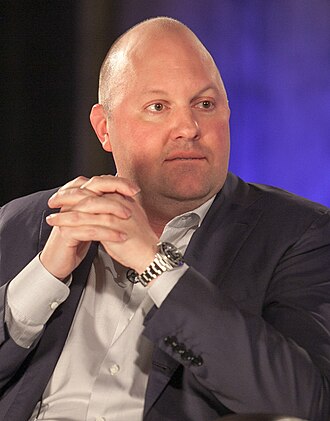 Marc Andreessen
Household name
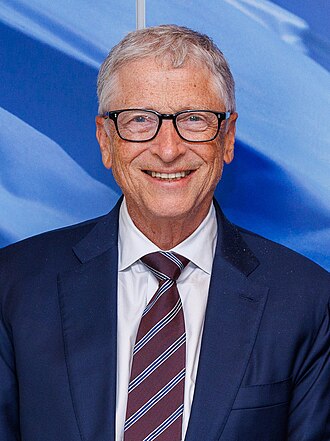 Bill Gates
Household name
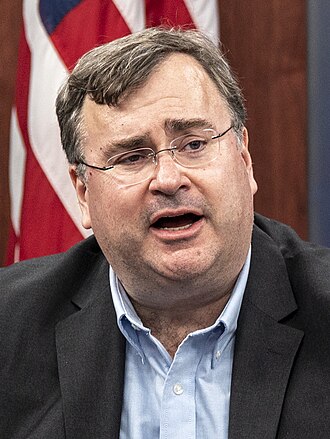 Reid Hoffman
Household name
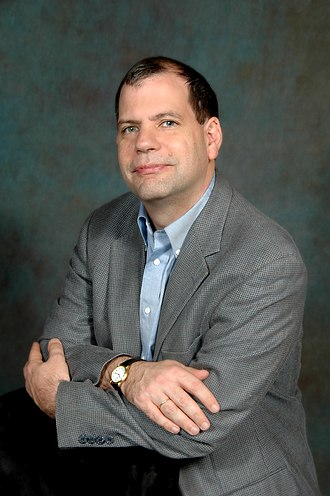 Tyler Cowen
Household name
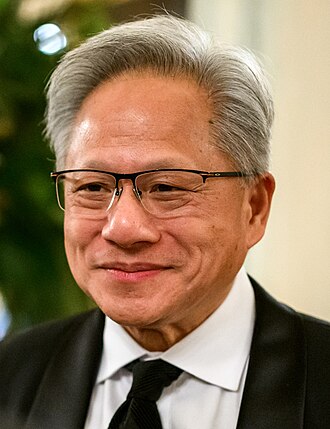 Jensen Huang
Household name
where the endorsers sit on the board
10 of 248 profiled · 4% of the board
| expertise ↓ · recognition → | Household name | Field-leading | Established | Emerging |
|---|---|---|---|---|
| Frontier builder | · | · | · | · |
| Deep technical | · | · | ||
| Applied technical | · | · | · | · |
| Policy / meta | · | · | · | |
| External-domain expert | · | · | · | |
| Commentator | · | · | · |
Each face is one profiled person. Cell shade intensifies with endorser density. Faces with × are profiled opposers, same tier, opposite position. Empty cells mark tier combinations the field has not produced for this bet.
Tier mix counts only endorsers (endorses, mixed, conditional, evolved-toward).
expertise mix of endorsers · 10 profiled of 47
recognition mix of endorsers
vintage mix · n=10 of 10 profiled with era assigned
Vintage is the era when this person's AI worldview formed, pioneer through post-ChatGPT. A bet held mostly by post-ChatGPT entrants is in a different epistemic state from one held by pre-deep-learning veterans.
People on the record.
96 · 49 tentative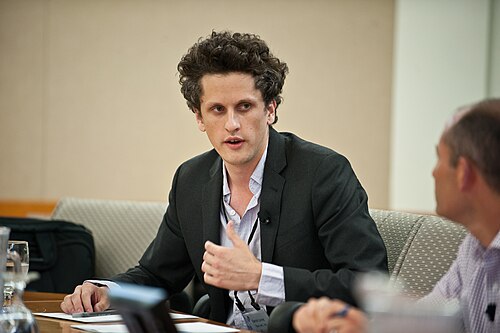
Aaron Levie
Box co-founder and CEO
Argues AI is the largest enterprise software shift since the cloud; warns that companies that delay AI adoption will be structurally outcompeted.
AI is going to compress timelines on every kind of knowledge work. Companies that adopt it strategically will outpace those that don't, and the gap will only widen.
Adam Jonas
Morgan Stanley equity analyst; embodied AI and humanoid robots lead
Forecasts embodied AI and humanoid robots as a multi-trillion-dollar market by mid-century.
We forecast $25 trillion in annual humanoid-robot revenue by 2050.
Aman Sanger
Cursor co-founder
Argues programmer-AI partnership rather than full automation is the right design point; building tools that respect programmer agency while massively augmenting capabilities.
We are building Cursor on the bet that the future of programming is human-AI partnership in a tightly integrated environment. Pure agents miss the part where programmers want to remain authors.
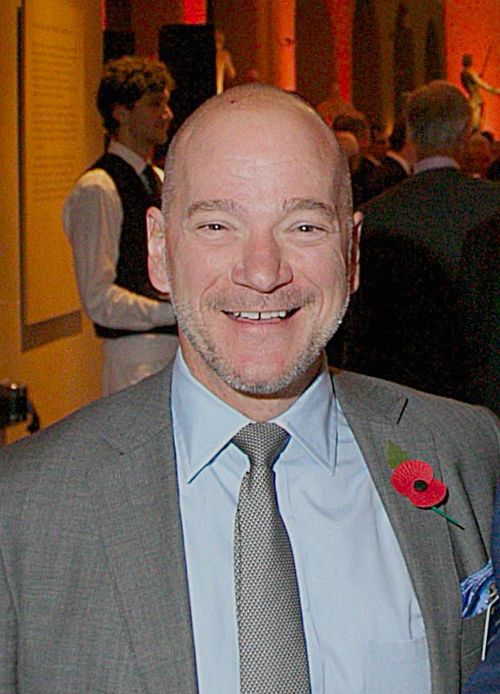
Andrew McAfee
MIT; 'The Second Machine Age' co-author
Argues digital technology is delivering compounding productivity gains and that AI is the latest, most powerful chapter; rejects techno-pessimist framings of stagnation.
We are entering a Second Machine Age in which digital technologies do for mental work what the steam engine did for physical work. AI is the next acceleration on that curve.
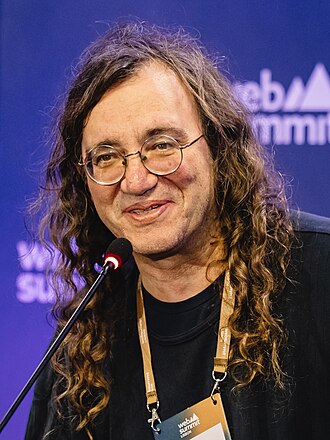
Ben Goertzel
Founder of SingularityNET; AGI optimist
Argues AGI by 2029 is plausible and expects a compassionate rather than hostile superintelligence.
Human level AGIs should be right on schedule for 2029, or perhaps even sooner.
Bill Gates
Microsoft co-founder; AI optimist-with-caveats
Frames AI as the most important technology advance since the PC and frames development as inevitable and net-positive.
“The development of AI is as fundamental as the creation of the microprocessor, the personal computer, the Internet, and the mobile phone.”
Bret Kugelmass
CEO of Last Energy; 'energy is the governance variable' framing
Argues energy infrastructure is the governing variable for AI progress and should be the primary policy lever.
AI is fundamentally an energy problem. If you want to govern AI, govern compute; if you want to govern compute, govern energy.
Brett Adcock
Figure AI founder; humanoid robotics
Argues humanoid robots powered by frontier AI will solve labor shortages and physical-world deployment of AI; sees this as the next major economic transition.
There are roughly 10 billion humans by 2050 and we expect 10 billion humanoid robots to be deployed in the same window. The economy that emerges is unlike anything we have ever seen.
Bryan Johnson
Blueprint founder; AI-driven longevity
Argues AI is the partner that helps humanity engineer its own biology; future flourishing depends on submitting human bodies to algorithmic optimization.
Don't Die is the next stage of evolution. AI gives us the ability to manage our biology with precision unimaginable a decade ago.
Casey Handmer
Founder of Terraform Industries; AI economics commentator
Argues AI will produce extreme personal-productivity gains for a small number of power users, transforming economics.
“A tiny minority of power users will increase their personal productivity not by a factor of two or three, but by a factor of hundreds or thousands.”
Cassidy Williams
GitHub developer advocate; AI in coding
Bullish on AI-augmented developer experience but raises concerns about over-dependence on AI tooling.
85% of developers are using AI today. But if the systems suddenly broke, would we still be able to manage?
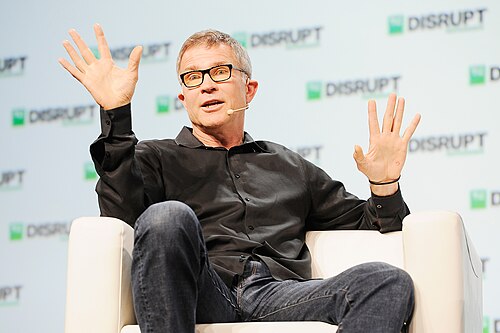
David Baszucki
Roblox CEO; co-founder
Argues generative AI will let any user create immersive digital experiences; predicts a future where AI tools collapse the gap between consumer and creator.
We will see a generation of children grow up where the boundary between consuming and creating digital content effectively disappears, because AI tools handle the technical layer.

David Holz
Midjourney founder
Argues image-generation AI extends human creativity rather than replacing artists; frames Midjourney's mission as democratizing visual imagination.
AI is like water, it's a powerful element. We are not building it to replace artists, we are building it to be a tool that artists use, like a camera or a paintbrush.
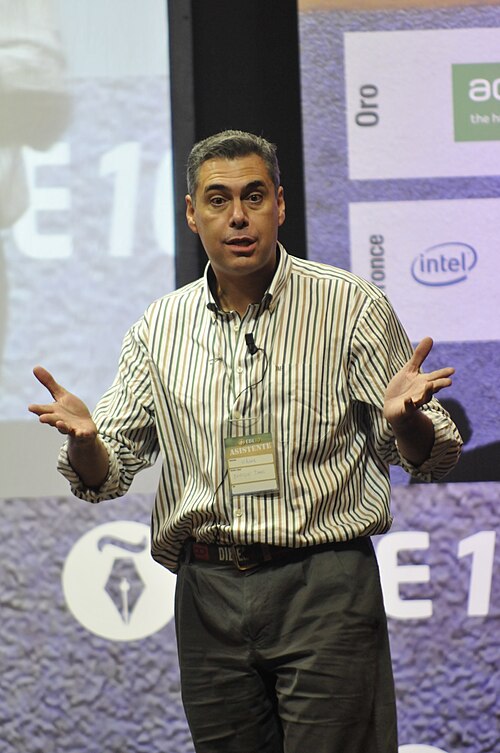
Enrique Dans
IE University professor; AI commentator
Pro-deployment European voice; pushes back on regulation-first framings.
Europe risks regulating itself out of the AI race. Regulation without capability is a race to irrelevance.
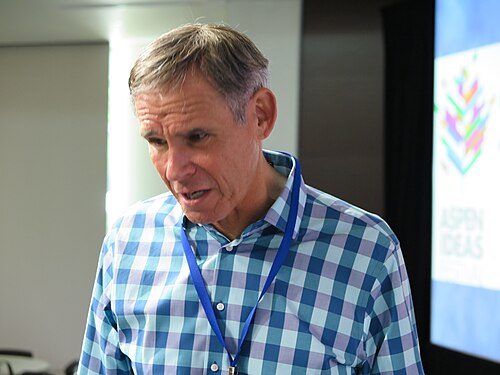
Eric Topol
Scripps cardiologist; AI in medicine pioneer
Argues medicine is the highest-impact AI application area; AI can restore the patient-doctor relationship by automating bureaucratic and pattern-recognition work that currently consumes clinicians' time.
Deep medicine is about restoring care, using AI to give doctors back the time they spend on screens and paperwork so they can be present with patients again.

Frank Slootman
Former Snowflake CEO; enterprise software CEO
Argues enterprise AI deployment is harder than the hype suggests; data infrastructure and governance work, not algorithm choice, are the binding constraints.
Most enterprises do not have the data infrastructure to deploy AI at scale. Solving that problem is where most of the actual value of AI gets unlocked, not in choosing the latest model.
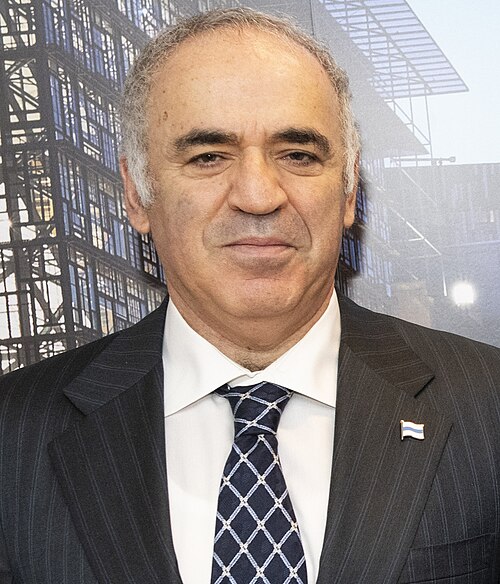
Garry Kasparov
Former world chess champion; 'Deep Thinking' author
Argues humans + machines beat machines alone (centaur chess), that augmentation is the right framing, and that authoritarian AI capture is a more urgent risk than runaway misalignment.
What concerns me about AI is not that the machine will surpass us, but that we will hand over too much to people who control the machines and never to ask the questions on which our humanity depends.
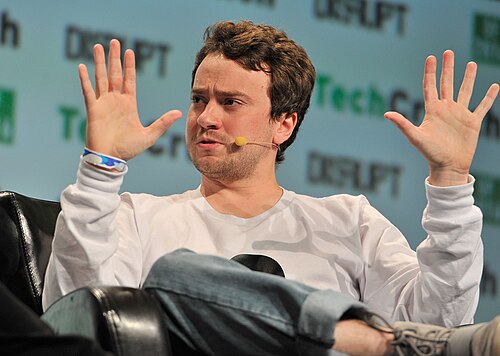
George Hotz
Comma.ai / tinygrad founder
Argues open-weight, distributed AI is the right structural answer to safety concerns; opposes both pause framings and centralised licensing regimes.
I want a world with billions of fast AI agents, not one with a single aligned superintelligence run by a small group. Decentralisation is the safety property.

Grimes
Musician; AI optimist-provocateur
Publicly optimistic about AI-mediated creativity; released her voice for open AI cloning as an experiment in post-scarcity IP.
“I'll split 50% royalties on any successful AI generated song that uses my voice.”
Guido Appenzeller
Andreessen Horowitz; AI infrastructure investor
Argues inference cost trajectories will fundamentally reshape AI deployment; tracks the rapid drop in cost per token as the operative metric.
The cost of inference per token has dropped by orders of magnitude in the past two years. Most product strategies based on assumptions about inference cost are already obsolete.
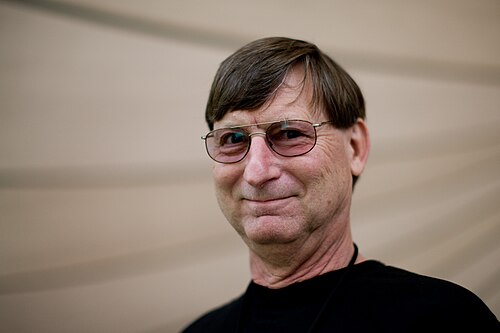
Hal Varian
UC Berkeley emeritus; Google chief economist emeritus
Argues AI fits the pattern of general-purpose technologies that historically produced large but slow productivity gains; expects it to be adopted unevenly across industries based on integration cost.
AI is a general-purpose technology in the same lineage as electricity. The diffusion will be uneven, the productivity gains will be measurable in decades, and the macroeconomic story will look surprisingly normal.
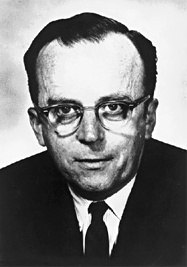
J. C. R. Licklider
ARPA IPTO founder; 'Man-Computer Symbiosis' (1915–1990)
Argued the future of computing would be a symbiotic partnership in which humans and machines do together what neither can do alone, the founding vision of human-AI augmentation.
“The hope is that, in not too many years, human brains and computing machines will be coupled together very tightly, and that the resulting partnership will think as no human brain has ever thought.”
Jensen Huang
CEO of NVIDIA; supplier of the frontier AI compute stack
Publicly optimistic about AI's trajectory and downplays existential framings; frames NVIDIA's role as enabling everyone to build AI.
“If we specified AGI to be something very specific, a set of tests where a software program can do very well, I believe we will get there within 5 years.”
Context: Stanford economic forum comments during the NVIDIA GTC 2024 week.
Joshua Browder
DoNotPay CEO; legal-tech AI
Argues AI can democratize access to legal services that are otherwise out of reach for ordinary consumers; pushed against bar-association resistance to AI legal advice.
Most people cannot afford a lawyer for routine consumer issues. AI is the only realistic way to extend reasonable legal advice to that population.
Leigh Marie Braswell
Founders Fund partner; AI investor
Argues AI infrastructure, models, data, distribution, is the most consequential investment category of the decade; frames safety as integral to durable products rather than a regulatory constraint.
The AI stack is being rebuilt from silicon up to the application layer. The market structure that emerges will determine who has agency over this technology.
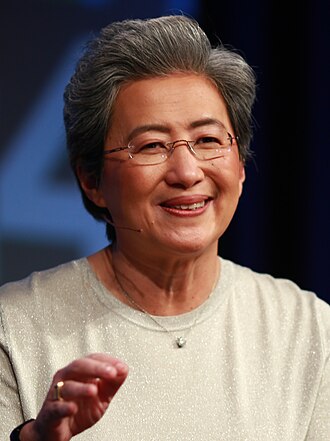
Lisa Su
CEO of AMD; central figure in the AI compute supply
Publicly bullish on compute scaling as the core driver of AI progress; focuses on supply-side bottleneck framings.
“More compute will get you better answers and will allow you to get the technology more adopted across the world. I'm more bullish on that than not.”
Marc Andreessen
Co-founder of Andreessen Horowitz; techno-optimist manifesto author
Argues markets and technology are the primary engine of welfare.
“Technology is the glory of human ambition and achievement, the spearhead of progress, and the realization of our potential.”
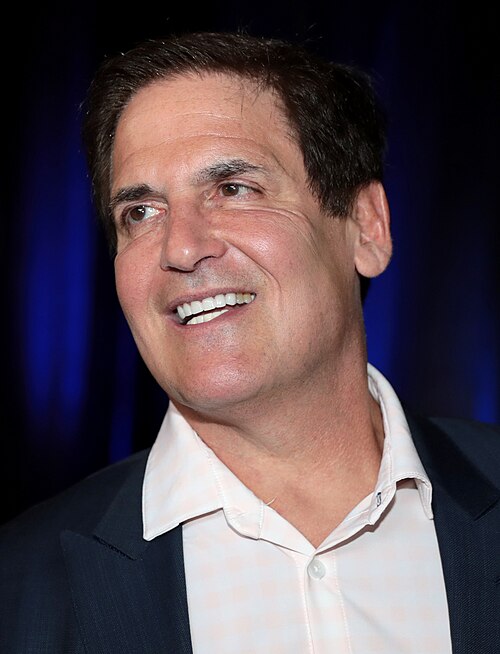
Mark Cuban
Shark Tank investor; Dallas Mavericks owner
Argues AI is the most consequential business technology since the internet; warns founders that not adopting AI now is a fatal strategic error.
If you're a business owner and you're not exploring how AI changes your business, you're effectively making a bet that your competitors won't either. That's not a bet I would take.
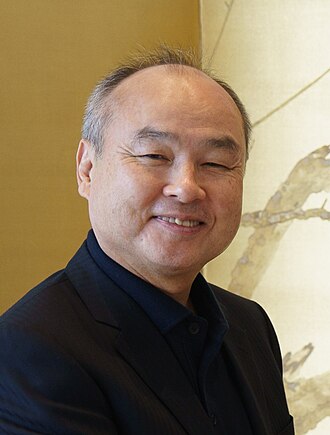
Masayoshi Son
SoftBank CEO; major AI investor
Among the largest financial backers of the AI build-out. Predicts superintelligence by 2035 and treats this as primary investment thesis.
Artificial superintelligence will arrive within 10 years.
Context: SoftBank annual general meeting.
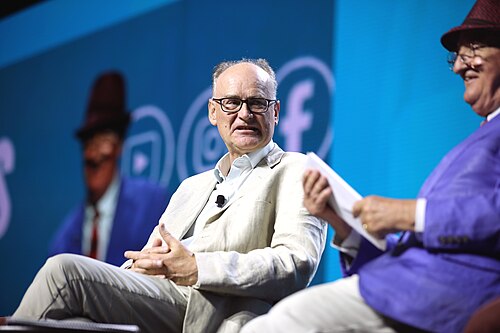
Matt Ridley
British science writer; 'How Innovation Works'
Argues innovation is a recombinant, decentralised process and that attempts to centrally manage AI development will misjudge how progress actually happens.
Innovation is the child of freedom and the parent of prosperity. The pattern that produced industrialisation, electrification, and the internet is the same pattern that will produce useful AI, if we don't strangle it.

Nat Friedman
AI Grant; ex-GitHub CEO; sits on Meta superintelligence advisory
Argues frontier AI will produce abundance and that the frontier should be built broadly, with many startups, not concentrated; funds early-stage AI research via AI Grant.
AI is going to give us a once-in-a-civilization productivity gain. Our job is to make sure that gain is distributed and applied to important problems.
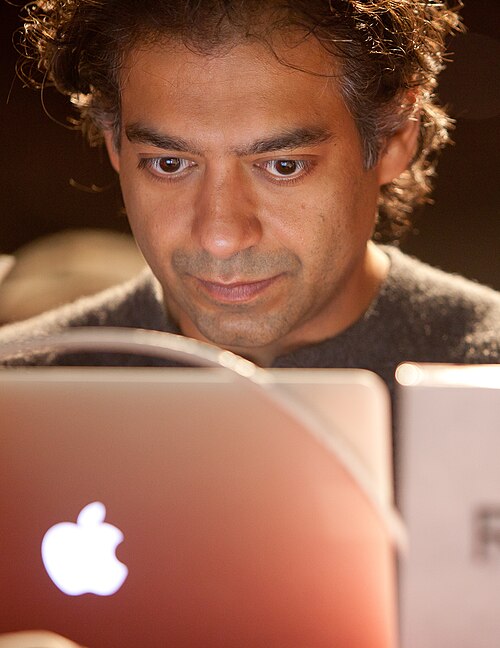
Naval Ravikant
AngelList co-founder; tech philosopher
Argues AI gives individuals unprecedented leverage; opposes both pause framings and centralised licensing as restrictions on individual technological agency.
AI will be the great leveler. The smartest individual will outcompete the largest organization, because the individual will use AI as a force multiplier without bureaucratic friction.
Nick Ryder
OpenAI research scientist; scaling-laws contributor
Co-author of scaling laws; focused on capability progress inside OpenAI.
Scaling laws continue to hold out much further than critics predicted.
Pushmeet Kohli
VP of AI Science at Google DeepMind
Publicly focuses on AI-for-science applications; engaged on safety but less on the dramatic framings.
AI should be understood as a tool for scientific discovery. That reframes the governance discussion.
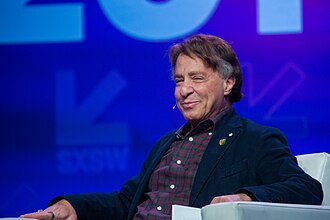
Ray Kurzweil
Futurist; The Singularity Is Near (1948–)
Long-running optimistic-singularity advocate. Predicts AGI by 2029 and human-machine merger by 2045.
“By 2045, we will have multiplied the intelligence, the human biological machine intelligence of our civilization, a billion-fold.”
Reid Hoffman
LinkedIn co-founder; AI optimist investor
Frames AI as the most important human amplification technology; argues for fast deployment with safety.
I'd put the risk of catastrophe at around 20%, high enough to take seriously, low enough that we should still race to get the benefits.
Richard Susskind
Tech-and-law thinker; 'Future of the Professions'
Argues that automating professional work is overdue and largely good, but that the legal and ethical infrastructure for it is not keeping pace.
The future of the professions is not a fancy version of today's professions. It is a set of new ways of solving the problems we currently rely on professionals to solve.

Sahil Lavingia
Gumroad founder; AI productivity advocate
Argues AI lets a single founder operate at the scale of an early-stage team; runs Gumroad as a deliberate experiment in this thesis with very small headcount.
I am the entire product organization at Gumroad. AI tools let a single person operate at a level that used to require a team of ten.
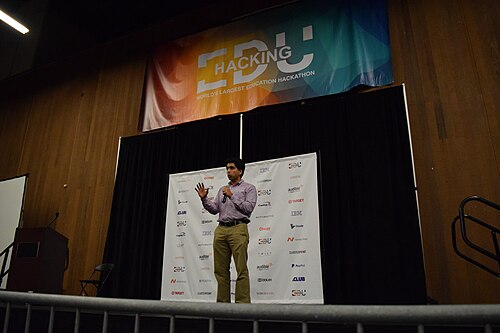
Sal Khan
Khan Academy founder; AI tutor advocate
Argues AI tutoring can deliver one-on-one expert teaching to every student, Bloom's 2-sigma effect at universal scale, and that this is the most important application of LLMs.
“We're at the cusp of using AI for probably the biggest positive transformation that education has ever seen. Every student can have access to a one-on-one tutor that knows them.”

Shawn Wang (swyx)
Smol AI founder; Latent Space podcast
Translates AI engineering progress for technical audiences. Bullish on the AI engineering profession as a distinct field.
AI Engineering is a distinct profession, not just AI plus engineering. The skills and tools are different.
Stanislas Polu
Co-founder of Dust.tt; ex-OpenAI formal math
Builds enterprise agent products; publicly less engaged with x-risk framing, more with practical deployment.
Formal mathematics is where we can most cleanly verify AI reasoning. That verification is both a capability lever and a safety signal.
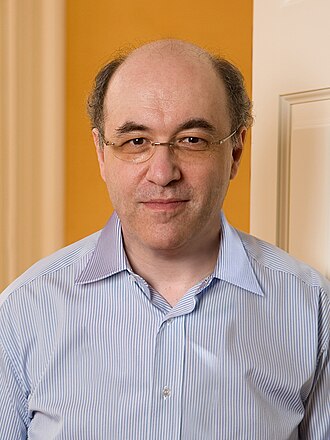
Stephen Wolfram
Founder of Wolfram Research; A New Kind of Science
Bullish on AI as scientific transformation; argues integrating symbolic and statistical AI is the productive frontier.
What ChatGPT is doing is, in a sense, going through one of those random walks of words.
Sualeh Asif
Cursor co-founder
Argues developer tools that put AI inline rather than in a separate chat window are the natural endpoint of how AI integrates into engineering work.
The best AI tools for engineers aren't separate chat windows. They live inline in the editor, completing the next thing the human was about to write.
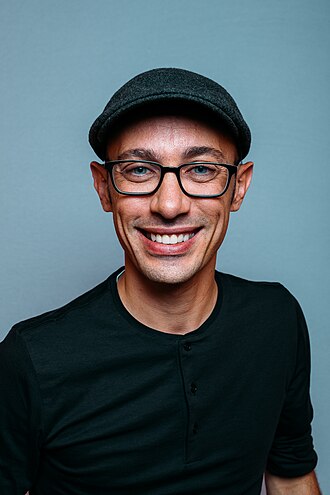
Tobias Lütke
Shopify CEO; AI-first internal mandate
Argues AI fluency is now as foundational as basic literacy for knowledge workers; mandated AI use across Shopify on the basis that headcount growth would not exceed AI-leveraged productivity.
“Reflexive AI usage is now a baseline expectation at Shopify. Before asking for more headcount and resources, teams must demonstrate why they cannot get what they want done using AI.”
Tyler Cowen
GMU economist; Marginal Revolution blogger
Frames AI as likely to lower net existential risk; skeptical of specific high p(doom) numbers.
I view AI as more likely to lower than to raise net existential risks.
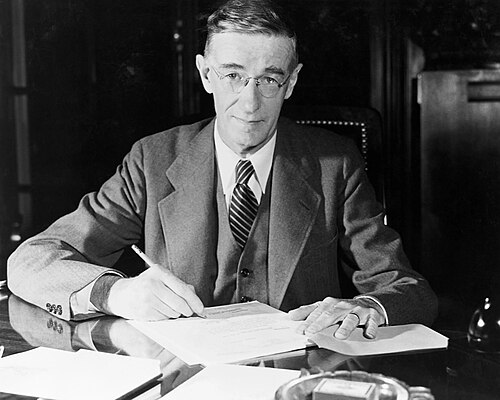
Vannevar Bush
MIT engineer; 'As We May Think' author (1890–1974)
Anticipated that mechanical aids to human thought, what he called the 'Memex', could free us from drudgery and let us think at higher levels; this is one of the foundational visions of human-computer cooperation.
“Consider a future device for individual use, which is a sort of mechanized private file and library… in which an individual stores all his books, records, and communications, and which is mechanized so that it may be consulted with exceeding speed and flexibility.”
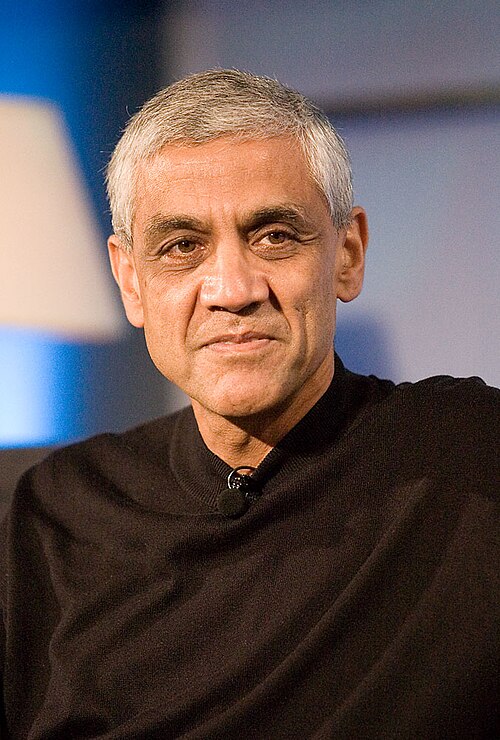
Vinod Khosla
Khosla Ventures; early OpenAI investor
Argues AI will be the largest source of productivity, healthcare, and education gains in human history; opposes pause-style framings as distortions of opportunity.
AI will free us from the need to work. Within 25 years, we won't need to work for the basics of food, shelter, healthcare, education.
tentative · 49
Below are entries flagged tentative: assignments inferred from a passing remark, hype quote, or paper abstract rather than a clear strategy statement. Shown in dashed cards so a stronger primary source can replace them later.
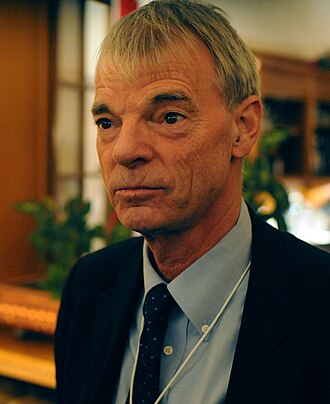
A. Michael Spence
Stanford economist; Nobel laureate; AI economic effects
Argues AI may be the productivity answer to demographic decline; particularly important for ageing economies.
AI offers the possibility of a productivity boost just as developed economies are starting to face significant labour-supply constraints.
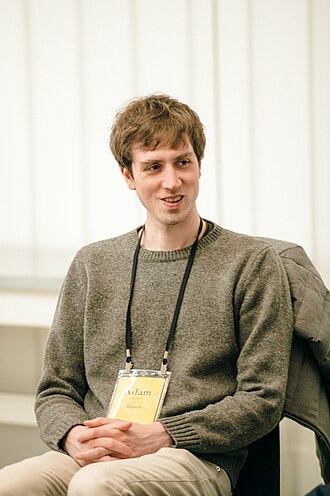
Adam D'Angelo
CEO of Quora; OpenAI board member
Continuing OpenAI board member; bullish on AI deployment but on record about the November 2023 board's safety concerns. The quote below is actually about safety practice, the techno-optimism inference is loose.
There is a real difference between operators who care about safety and those who treat it as PR.
Aidan McLaughlin
OpenAI scaling researcher
Inside-OpenAI public voice for capability optimism on scaling and reasoning models.
Reasoning scaling is now the dominant path to capability gains. The implications are still being absorbed.
Amjad Masad
CEO of Replit
Bullish on AI-coding and agent-driven software development; arguments for accelerationist framing.
Everyone will be a software developer. The bottleneck moves from writing code to deciding what to build.
Andrej Karpathy
Founder of Eureka Labs; OpenAI and Tesla alumnus
Focuses on education and on democratising access to LLMs; publicly less engaged with extinction-risk framings than some peers.
The most important thing is to have a LOT of people understanding how LLMs work, because this is the technology that will shape the next decade.
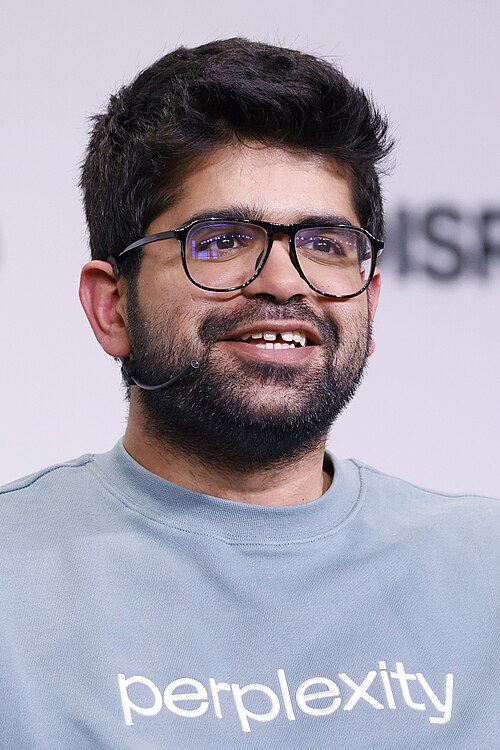
Aravind Srinivas
CEO of Perplexity AI
Frames AI as the infrastructure for a new generation of knowledge discovery tools; less focused on risk framings.
“In a world where you can easily create fake content with AI, accurate answers and trustworthy sources become even more essential.”

Ben Thompson
Stratechery founder; tech business analyst
Frames AI through tech-business strategy lens; predicts the AI value chain will look like the cloud or app-store ecosystem.
AI is the next platform shift, and the structural questions of platform power are about to repeat.

Byrne Hobart
The Diff founder; finance and AI economy writer
Bullish on AI as economic transformation, with rigorous attention to capital flows and labour-market mechanisms.
The economic effects of AI will be most visible in capital allocation and pricing of attention before they are visible in unemployment statistics.
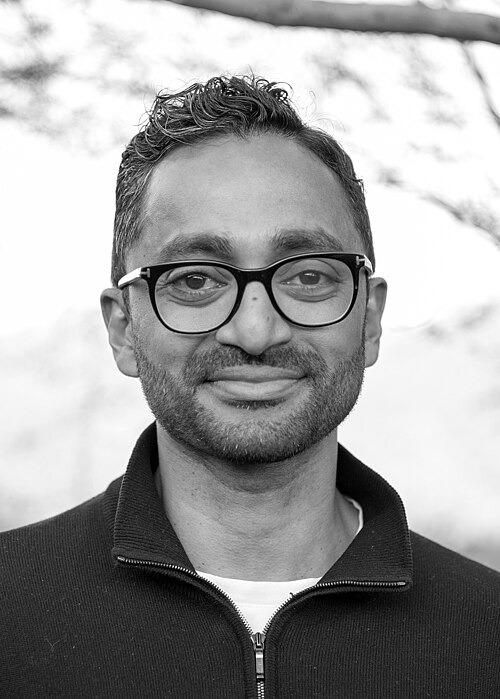
Chamath Palihapitiya
Social Capital; All-In Podcast co-host
Argues AI will produce trillion-dollar companies and decisively shift the U.S.-China balance; less explicit on safety strategy but consistently bullish on capabilities.
AI is the most important investment thesis of our lifetimes. Every business model is going to be reformulated through it; the only question is who builds the dominant infrastructure.
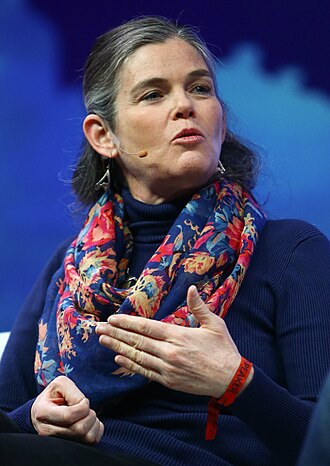
Daphne Koller
Insitro CEO; Coursera co-founder
Bullish on AI as a scientific and medical transformation; less focused on x-risk framings.
AI is giving us the tools to unlock biology at a pace that was unimaginable even a few years ago.
David Friedberg
All-In Podcast; Ohalo CEO
Argues AI-for-biology will transform agriculture, medicine, and food systems within a decade; less explicit on safety strategy but consistently bullish on capabilities.
We are at an inflection point in biology where AI is going to give us the tools to engineer life directly. Agriculture, medicine, and food security all change in the next decade.
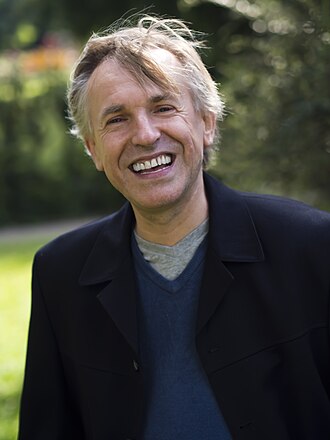
David Pearce
Transhumanist philosopher; Hedonistic Imperative author
Frames AI and biotech as instruments of radical welfare expansion, especially suffering abolition, rather than sources of catastrophic risk.
Our descendants will look back at the current era and wonder why we tolerated the suffering we did.
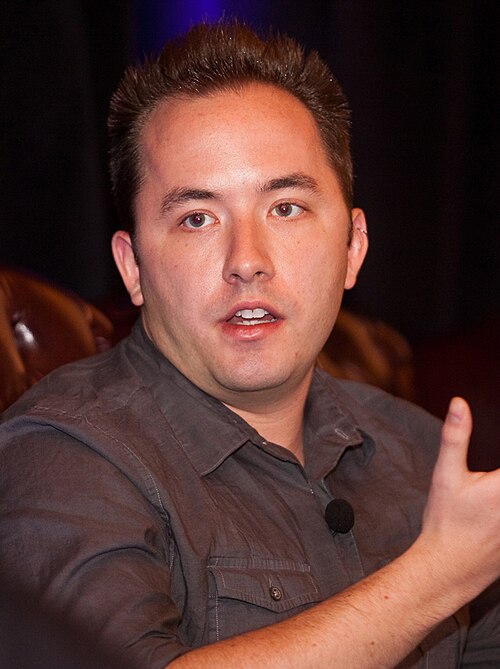
Drew Houston
CEO of Dropbox; AI in productivity
Frames AI as a productivity layer for knowledge work; building it into Dropbox as a universal search overlay.
AI is the missing layer between you and your information.
Ethan Mollick
Wharton professor; 'Co-Intelligence' author
Frames AI as a 'jagged frontier' of capability that requires hands-on engagement to understand. Skeptical of both pure optimism and pure doom.
AI is a jagged frontier of capability, extremely good at some things you wouldn't expect, surprisingly bad at others.
François Fleuret
University of Geneva ML professor; LLM educator
European ML voice committed to demystifying deep learning; sceptical of both extreme optimism and extreme pessimism.
Deep learning is statistics with extra steps. The extra steps matter, but it is still statistics.
Garry Tan
President and CEO of Y Combinator
Drives AI startup acceleration at YC; frames AI as the new 'full-stack' opportunity.
AI lowers the floor on what founders can build and raises the ceiling on what a small team can ship.
Holly Krieger
Cambridge mathematician; AI in mathematics commentator
Working mathematician engaging with AlphaProof and similar systems; argues mathematicians need to engage with AI rather than dismiss or hype it.
AI is going to change how mathematicians work. Most of the change will be invisible to people outside the field.
Jeff Bezos
Amazon founder; Anthropic investor
Publicly optimistic about AI as a transformative technology; large-scale investment via Amazon's Anthropic stake.
The golden age of AI is still very much in front of us.
John Collison
Co-founder and President of Stripe
Bullish on AI as a productivity unlock for global business, particularly small business via Stripe.
AI is going to make small businesses meaningfully more competitive against larger ones.
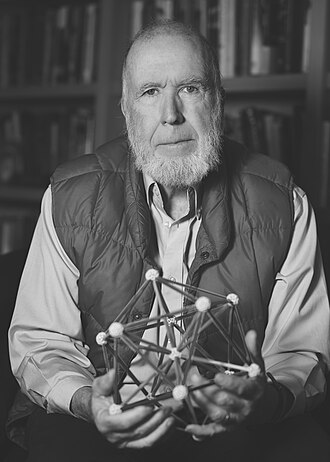
Kevin Kelly
Wired co-founder; tech futurist
Long-time techno-optimist who frames AI as evolutionary continuation; argues utility outweighs risk if we focus on co-evolution. Quote below is generic hype, Kelly's actual stated views need a stronger source pull before being treated as primary-source.
AI is going to be the most transformative thing humans have ever made.
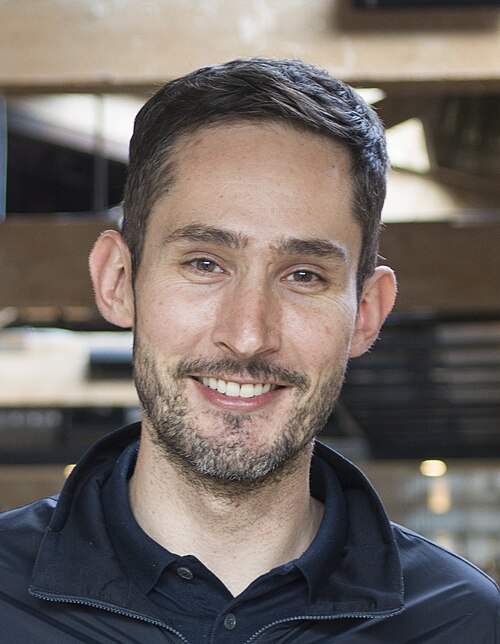
Kevin Systrom
Co-founder Instagram; co-founder Artifact (defunct AI news)
Argues recommendation AI built around long-term user interest is possible but commercially difficult; Artifact's failure was a market signal more than a technical one.
Algorithmic feeds shaped by short-term engagement are bad for users in the long run. Building one shaped by long-term interest is possible, but it is harder than it looks.
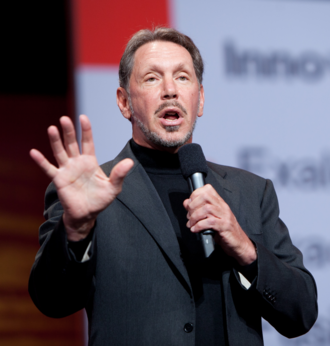
Larry Ellison
Oracle co-founder; Stargate co-investor
Major investor in Stargate. Public framings position AI as transformative civilisational infrastructure that the US must build at scale. Quote is press-event hype, not a stated strategic position.
AI is the most important technology of our era. The US must lead.
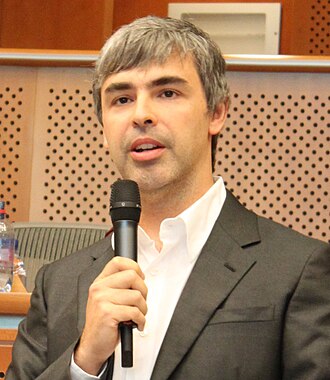
Larry Page
Google co-founder; AI advocate
Long-standing AI optimist; backed Google's early DeepMind acquisition. Reportedly skeptical of AI doom framings.
Even if AI created a new species, that's a beautiful thing.
Context: Reported by Elon Musk in subsequent retellings of his disagreements with Page.
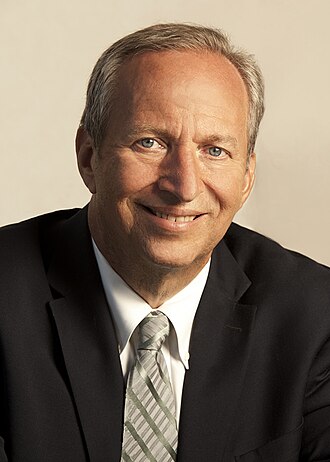
Lawrence Summers
Harvard economist; former US Treasury Secretary; OpenAI board member
Mainstream economist on the OpenAI board. Public voice for measured macro-economic framings of AI. Quote below is on macroeconomic effect, not on a strategic optimism vs caution stance.
AI is going to have macroeconomic effects on the order of magnitude of the industrial revolution. We are not yet adapting policy to that.
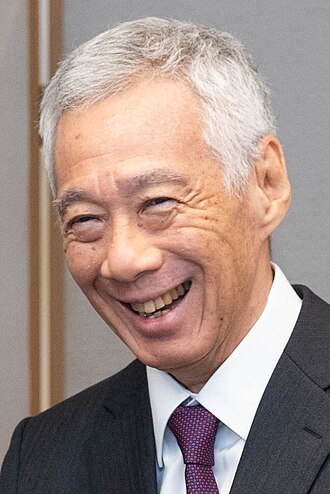
Lee Hsien Loong
Senior Minister of Singapore; former Prime Minister
Architect of Singapore's pro-AI national strategy combining innovation, talent attraction, and pragmatic governance. The quote below is government-PR boilerplate, not a personal stated strategy.
Singapore aims to be a leading hub for AI development and deployment, with governance that earns global trust.
Liam Fedus
OpenAI researcher; scaling and RLHF
Inside OpenAI voice for pushing capability alongside safety practices.
Post-training is where a lot of the value, and the risk, lives in frontier models.
Nathan Benaich
State of AI Report co-author; Air Street Capital founder
Publishes the State of AI Report annually, tracking trends in capability, deployment, and policy.
AI has moved from a research topic to a general-purpose technology powering a new economic wave.
Noah Smith
Substack economist; Noahpinion
Argues AI is likely to be net positive for the economy and that 'AI takes all jobs' framings misunderstand labour-market dynamics.
Past automation paranoia has been wrong every time. AI may be different, but the burden is on the AI-doomers to show it.
Noam Shazeer
Character.AI co-founder; Transformer paper co-author
Builder-side voice. Argues frontier model improvement is structurally driven by aggressive engineering more than by safety theory.
“Attention is all you need.”
Context: Title of the original Transformer paper, co-authored.
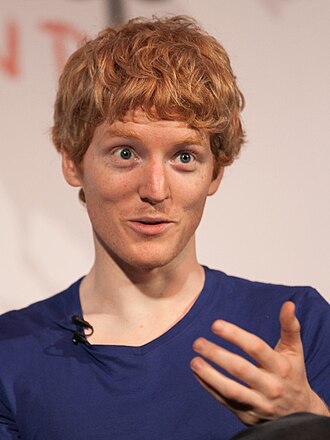
Patrick Collison
CEO of Stripe; Progress Studies movement
Frames AI as the kind of progress acceleration the Progress Studies movement was built around.
Progress is fragile and not inevitable. AI is one of the most powerful tools we have to accelerate it.
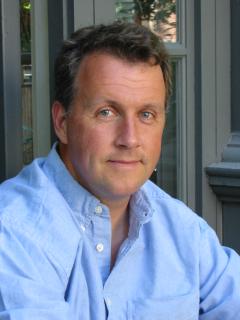
Paul Graham
Y Combinator co-founder; essay writer
Argues AI is the most important technology wave of the generation and should be built quickly by startups.
AI is the biggest thing since the web.
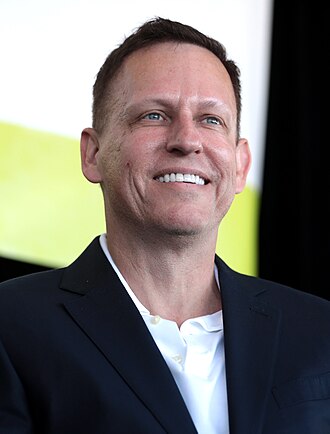
Peter Thiel
Founders Fund co-founder; PayPal co-founder
Critical of stagnation but wary of AI-induced concentration; advocates for national security-framed AI development.
The question is whether AI will be slightly substitutive or massively complementary for humans.
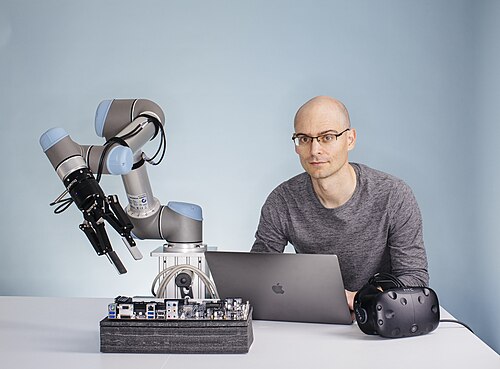
Pieter Abbeel
UC Berkeley professor; Covariant co-founder
Frames AI robotics as a major productivity and quality-of-life unlock; less focused on extinction framings.
The gap between lab demos and deployed robots is closing, and that will reshape physical work.
Rebecca Fiebrink
UAL Creative Computing Institute; ML for music
Argues AI for creative work is best designed as collaborative tooling, not replacement.
AI tools that augment artistic agency are different from AI tools that replace it. The design choices matter.
Robert Wright
Author of 'Nonzero'; AI as evolution
Frames AI as a continuation of evolutionary processes; less alarmed about extinction, more concerned about value drift.
AI is a continuation of the evolutionary process. The question is whether the process drifts toward our values or against them.
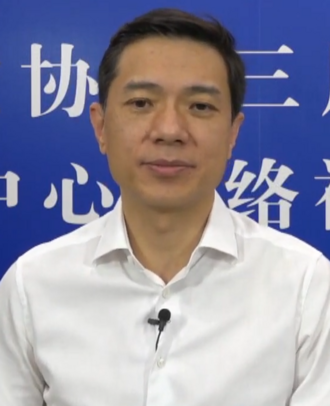
Robin Li
CEO of Baidu; Chinese AI champion
Long-running advocate for Chinese AI capability. Has positioned Baidu's ERNIE as a Chinese frontier model. The quote below is corporate keynote hype; no primary-source strategic position is on the record.
AI is the next great revolution and China will be a leader in it.
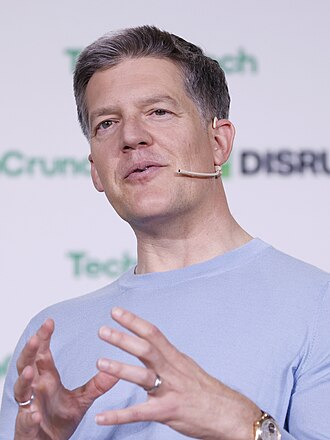
Roelof Botha
Senior Steward of Sequoia Capital; AI investor
Bullish on AI as a generational investment cycle; publicly notes the gap between AI investment and AI revenue.
The AI investment cycle is real. The revenue cycle is catching up slower than some valuations assume.
Rohit Krishnan
Strange Loop Canon; AI economy writer
Frames AI as a powerful general-purpose tool whose actual deployment will be more economically disruptive than philosophically shocking.
AI is going to be a really good tool. The interesting question is what economic structures absorb it.
Rohit Prasad
SVP of AGI at Amazon
Publicly bullish on frontier model progress; rejects the 'capability wall' framing.
We're not hitting a wall. We're moving to a new dimension.
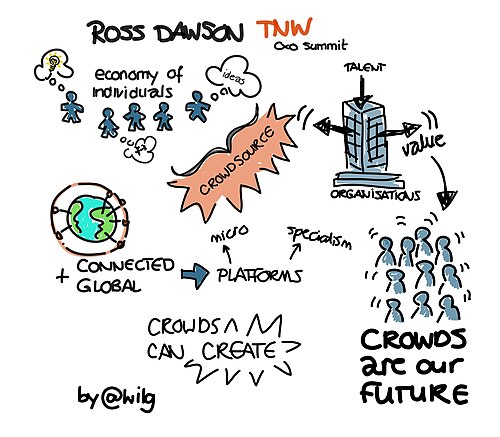
Ross Dawson
Australian futurist; AI strategist
Frames AI in business and futurology terms; advises corporate clients on AI strategy.
AI strategy without futures literacy is risk maximisation in disguise.
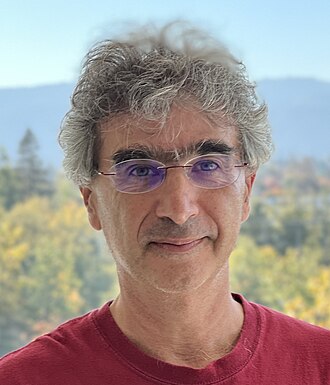
Samy Bengio
Apple ML research director; Yoshua Bengio's brother
Industry ML research leader engaged with deployment-grade AI rather than safety theory.
Industry ML research has to live with deployment constraints that often shape what is interesting to research.
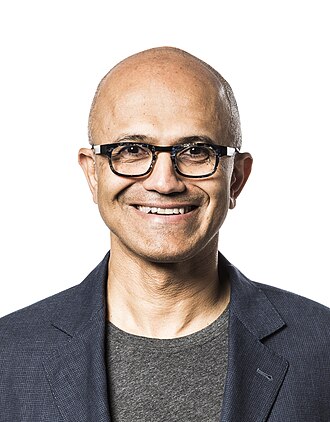
Satya Nadella
CEO of Microsoft
Frames AI as a universal productivity layer; partners with frontier labs to ship products quickly.
AI is the defining technology of our time.
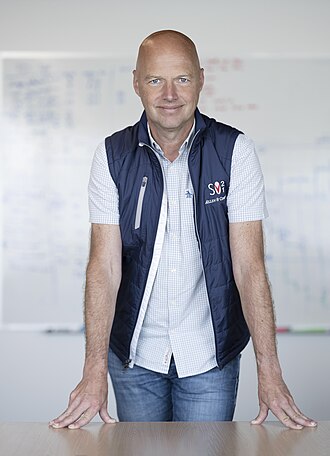
Sebastian Thrun
Self-driving car pioneer; Udacity founder
Frames AI as a highly positive force when deployed well; skeptical of catastrophe framings.
We are at the beginning of the most important transformation in human history, let's not waste it panicking.
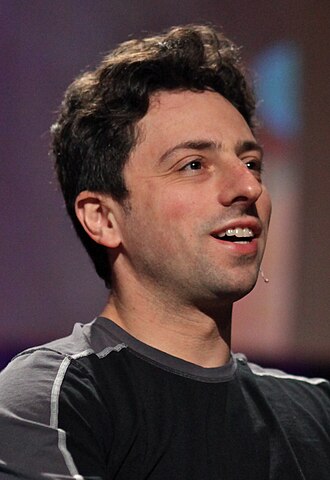
Sergey Brin
Google co-founder; returned to AI work
Returned hands-on to Google after the AI moment; publicly excited about scaling and capability progress.
Scaling laws will probably continue. Computer science is in a particularly amazing decade.
Stephanie Zhan
Sequoia Capital partner; AI investor
VC-grade optimism on AI's transformative deployment.
We are investing on the premise that AI is the largest economic transformation in a generation.
Tony Bates
Genesys CEO; former Skype president
Industry-side voice for enterprise AI deployment.
AI in the enterprise is going to reshape how customer experience and workforce planning work.
Trevor Mundel
Gates Foundation Global Health President
Argues AI is a major positive lever for global health if directed at deployment-relevant problems and not just frontier capabilities.
AI in global health works when we orient it toward deployment realities, not lab benchmarks.
Vincent Vanhoucke
Google DeepMind robotics lead
Argues foundation models will reshape robotics; embodied AI is a near-term frontier rather than far-future.
Foundation models are the new substrate for robotics. Specialised robotics-only models are likely to disappear.