Institutional capacity ↑ · institutional
Arms control treaty
Sovereigns accept binding constraints they negotiate directly faster than those delegated to agencies; the historical base rate for durable restraint is treaty based.
Mechanism
Bind AI via bilateral or multilateral treaty (SALT / START / BWC / CWC model) with verification obligations and dispute resolution.
Falsification signal
Signatories cannot domestically enforce (the BWC pattern).
A strategy held without a falsification signal is not strategy; it is affiliation. Continued support after this signal lands is identity, not bet. See the identity diagnostic.
Historical analogue
Nuclear · SALT / STARTEvery strategy inherits a plausible ceiling from its precedent. The analogue conditions the realistic reach.
Produced
No state-to-state nuclear use in 80 years, modest proliferation control.
Did not produce
Did not prevent 9 nuclear states. BWC analogue without verification was worse.
People on the record
18Profiled figures appear first, with their tier in small caps. Each face links to the person and their full quote record. Tag: international-treaty.

Fumio Kishida
Governance, policy, strategy · Mass-public recognition
Yi Zeng
Deep ML / safety technical · Known across the AI/safety field
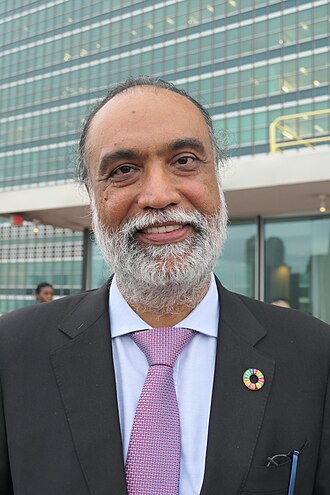
Amandeep Singh Gill
UN Secretary-General's Envoy on Technology

Angela Kane
Former UN High Representative for Disarmament Affairs
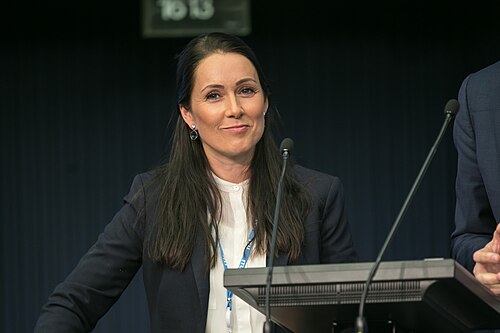
Anja Kaspersen
UN senior fellow; disarmament diplomat
Bletchley Declaration Signatories
First international AI Safety Summit signatories (2023)

Brian Tse
Founder of Concordia AI; China AI safety

Gabriela Ramos
UNESCO Assistant Director-General for Social and Human Sciences
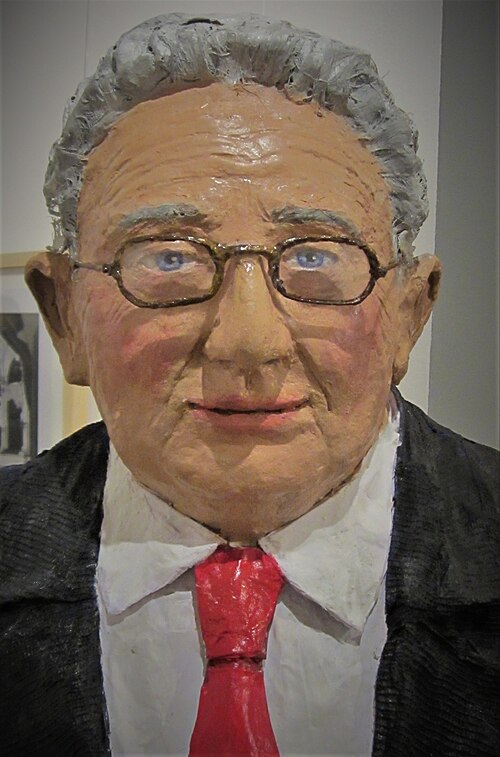
Henry Kissinger
Former U.S. Secretary of State; co-author 'The Age of AI'
Isabella Wilkinson
Chatham House international affairs AI researcher

Jeffrey Ding
George Washington University; ChinAI newsletter
Jon Bateman
Carnegie senior fellow; AI and cyber strategy
Kati Suominen
Founder of Nextrade Group; AI trade policy
Robert Trager
Oxford Martin AI governance scholar
Sara Hossein
International AI law scholar
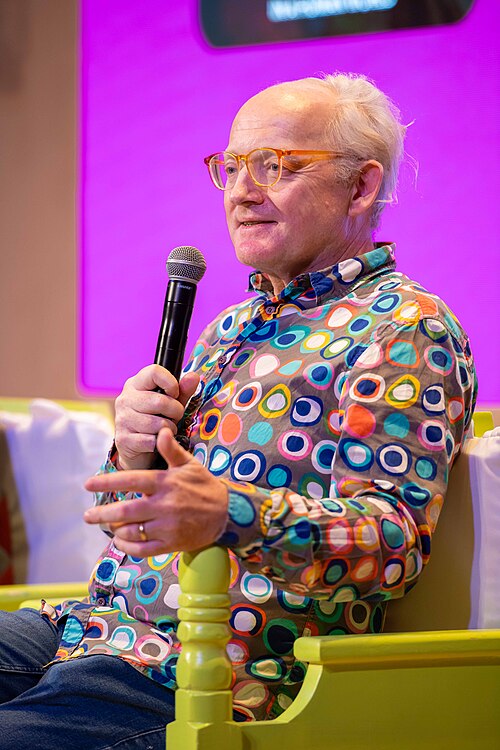
Toby Walsh
UNSW Sydney; AI safety advocate
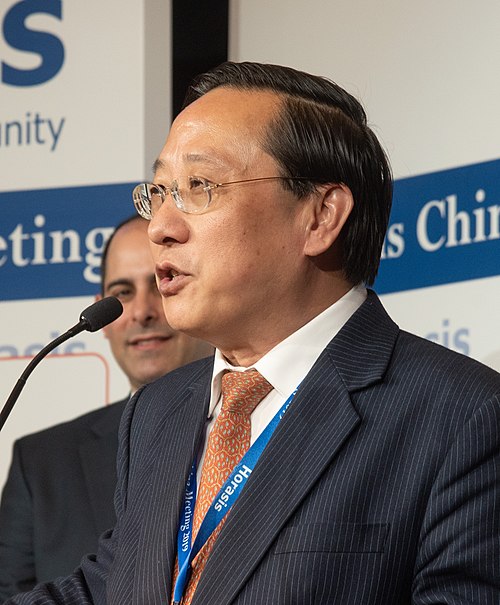
Victor Gao
Chinese diplomat; AI dialogue participant
Yuhwen Yang
Carnegie Endowment China AI research
Load-bearing commitments
Worldview positions this strategy quietly assumes. If the claim fails empirically or philosophically, the strategy loses its target or its premise.
Arms control is tractable and enforceable for AI-like technology.
Fails if: If verification is impossible, the treaty is a declaration rather than a constraint.
Coordinates
Conflicts, grouped by mechanism
1Frame opposition
incompatible premisesThe strategies accept different premises about what AI is or what the binding problem is. They conflict not on lever choice but on the frame that makes lever choice sensible.
Complements, grouped by mechanism
5Same phase, different layer
same stage, distinct leversBoth are active in the same phase of the transition but act on different layers (model vs institution vs culture). They cover different failure modes inside the same window.
Cross-side bridge
one AI-side, one world-sideOne acts on the model, the other on institutions or culture. The bridge hedges against both artefact-level and substrate-level failure.
Same-lever reinforce
same lever, same pull, different mechanismBoth strategies pull the same lever in the same direction by different means. They stack: doing both amplifies the pull, at the cost of double-counting in portfolio audits.
Stage-sequenced
one sets up the otherThe pair is phase-offset: one acts before the transition, the other during or after. The first creates the conditions under which the second binds.
Same-lever twins
8Both use the same lever in the same direction. Usually redundant inside a portfolio: each dollar or effort unit only buys one lever pull, even if two strategies are named.
Axis position
Source note: Arms control treaty strategy.md