person
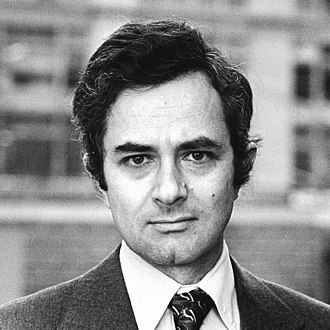
Thomas Nagel
NYU philosopher; 'What is it like to be a bat'
NYU philosopher whose 1974 'What Is It Like to Be a Bat?' paper became the canonical statement of the consciousness question. Foundational reference for AI consciousness debates.
Profile
expertise
External-domain expert
Recognised expert outside AI (philosophy, economics, biology, journalism) who weighs in on AI consequences from that vantage.
NYU philosopher. 'What Is It Like to Be a Bat?' (1974) is the canonical reference for the hard problem. Not actively engaging AI; cited heavily.
recognition
Household name
Name recognition outside the AI/CS community. Featured by mainstream press, a Wikipedia page in many languages, a published bestseller, or holds a position the lay public knows.
Major figure in 20th/21st-century philosophy of mind.
vintage
Pioneer
Defining figure from before 1980. Cybernetics, formal computation, early AI laboratories. Their concept of intelligence is not bound to neural networks.
1937–. What Is It Like to Be a Bat 1974. Foundational philosophy-of-mind argument predates AI.
Hand-classified. See the board for the criteria and the full grid.
Strategy positions
AI welfaremixed
Model welfare/moral status is a primary considerationFoundational reference for the 'subjective experience' question central to AI consciousness debates.
“An organism has conscious mental states if and only if there is something that it is like to be that organism, something it is like for the organism.”
Closest strategy neighbours
by jaccard overlapOther people whose strategy tags overlap with Thomas Nagel's. Overlap is on tag identity, not stance; opposites can show up if they reference the same tags.

Record last updated 2026-04-25.