person
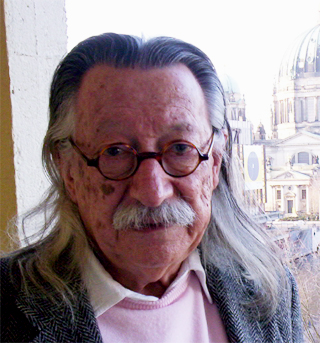
Joseph Weizenbaum
ELIZA inventor; AI ethics pioneer (1923–2008)
German-American MIT computer scientist who created ELIZA in 1966 and immediately became a critic of the AI hype that followed. Author of Computer Power and Human Reason (1976).
Profile
expertise
Deep technical
Sustained peer-reviewed contribution to ML, alignment, interpretability, or safety techniques. Could review a frontier paper.
MIT (1923–2008). Built ELIZA (1966); 'Computer Power and Human Reason' (1976) is an early AI-ethics text questioning the limits of computation.
recognition
Field-leading
Widely known inside the AI and AI-safety community. Appears repeatedly in top venues, podcasts, or governance forums. Not a household name to outsiders.
Major figure in AI history; less mainstream press now.
vintage
Pioneer
Defining figure from before 1980. Cybernetics, formal computation, early AI laboratories. Their concept of intelligence is not bound to neural networks.
1923–2008. ELIZA 1966; Computer Power and Human Reason 1976. Cybernetics-era critic of AI.
Hand-classified. See the board for the criteria and the full grid.
Strategy positions
AI skepticendorses
AGI risk narratives overstated; real harms are mundane and currentBuilt one of the earliest chatbots and immediately warned against the 'powerful delusional thinking' AI could induce. Anticipated decades of subsequent debate.
“There are certain tasks which computers ought not be made to do, independent of whether computers can be made to do them.”
Closest strategy neighbours
by jaccard overlapOther people whose strategy tags overlap with Joseph Weizenbaum's. Overlap is on tag identity, not stance; opposites can show up if they reference the same tags.



Record last updated 2026-04-25.